Explore the neuroscience and psychology of employee recognition, its impact on motivation, engagement, retention, and performance, plus proven best practices.


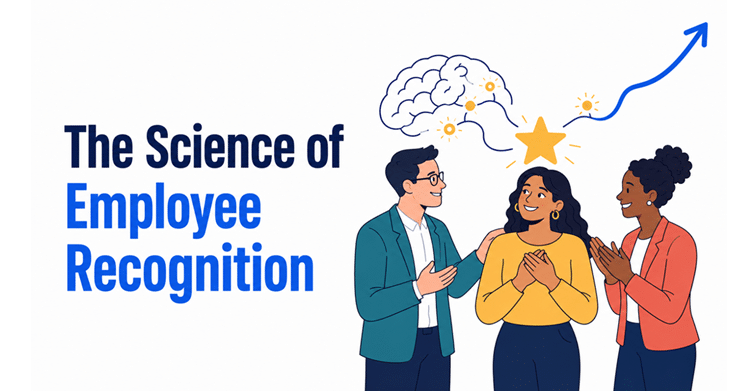
Explore the neuroscience and psychology of employee recognition, its impact on motivation, engagement, retention, and performance, plus proven best practices.
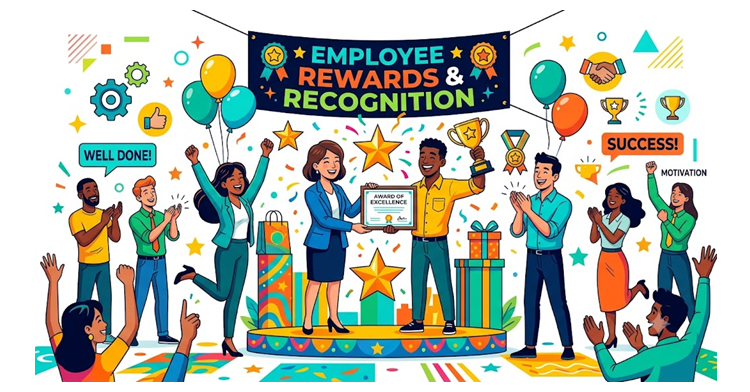
Discover the hidden biases affecting employee recognition, their impact, and how HR leaders can build fair recognition programs.
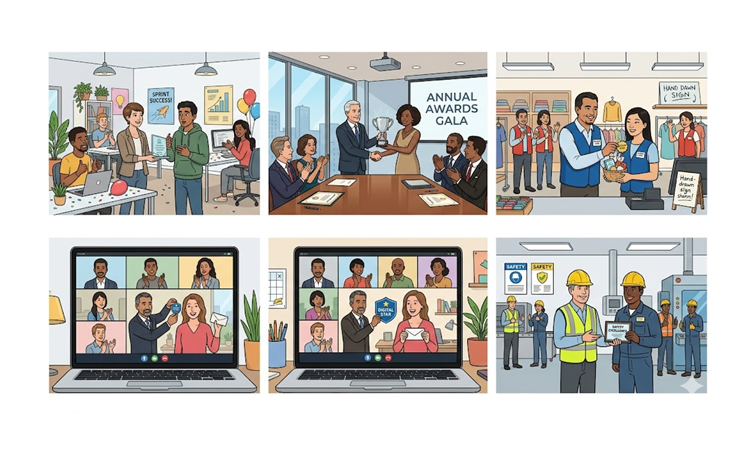
Discover how employee recognition builds high-performance workplace cultures at scale. Learn about recognition best practices, strategies, & digital platforms.

It is important for organizations to track the benefits of their employee rewards and recognition programs and to take action based on the gap between the actual and expected results.
Informal or fun awards can be an excellent and inexpensive way to drive greater employee engagement and create a positive, informal, and friendly atmosphere at work.

It is critical for organizations to understand why rewards and recognition fail and how to make these meaningful and effective
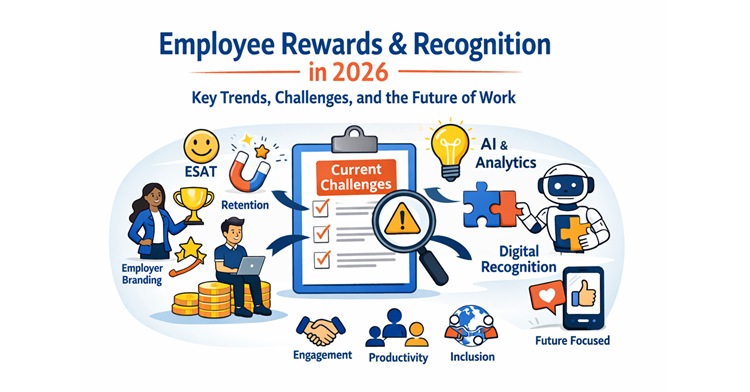
Employee rewards and recognition trends for 2026 and beyond, revealed through a study of 500+ HR leaders. Explore benefits, challenges, and strategies.
A head-to-head comparison of HiFives and Edenred (India) Employee Rewards and Recognition Platforms
A head-to-head comparison of HiFives and Advantage Club Employee Rewards and Recognition Platforms
A head-to-head comparison of HiFives and Vantage Circle Employee Rewards and Recognition Platforms

Organizations need to invest time and effort to come up with innovative names for employee recognition programs as one of the first steps towards developing an effective employee recognition program.
A unique, innovative, and relevant program name is likely to generate more interest and engagement in the program from the employees.
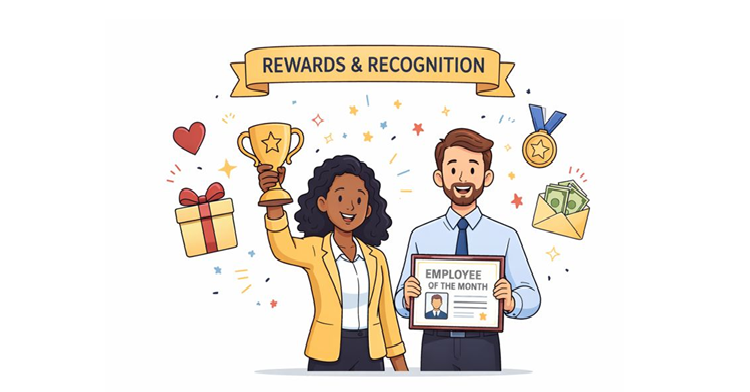
A recent HiFives study of 250+ HR practitioners revealed some powerful insights about employee rewards and recognition and their impact on engagement. The study reinforces that engagement thrives on human-centric practices: genuine appreciation, meaningful work, fairness, and good leadership.

These are just a few of the top reasons why employee rewards and recognition programs fail.
Leaders and HR must avoid these pitfalls to keep the programs alive and kicking, to keep employees motivate and productive at the workplace.
A head-to-head comparison of HiFives and Xoxoday Empuls Employee Rewards and Recognition Platforms

These creative and impactful ideas for startups to recognize their employees should help them energize and drive them to even higher levels of performance.
This, despite the challenging, unstructured and often chaotic work environments.

The importance of intrinsic rewards stems from the fact that they offer an effective and low-cost way for organizations to engage employees and derive longer-lasting benefits.

The various examples of employee rewards programs provide generalized frameworks for organizations to design programs suited to their industry type and maximize the outcomes of such programs.

The G.I.V.E. Model of Employee Rewards and Recognition aims to maximize the benefits from employee recognition for organizations; and help them drive productivity, create a positive work culture and nurture talent in the right way.

Case Study of Employee Recognition at a Retail Company in the Middle-East to develop a culture of appreciation and collaboration, using HiFives

Embedding recognition into every manager’s KRA ensures accountability, fairness, and culture alignment.