


Why Rewards and Recognition Fail in Many Organizations and How to Make It Meaningful
Many employee recognition programs fail not because of poor intent, but because they lack emotional connection, personalization, and timeliness.
Common issues include:
1. Transactional rewards
2. Over-reliance on monetary incentives
3. Just annual recognition events
4. Limited leadership involvement
These approaches make recognition feel procedural rather than meaningful.
To build a high-impact employee recognition strategy, organizations must:
1. Shift from transactional to human-centered recognition
2. Recognize micro-moments, not just major achievements
3. Enable peer-to-peer and social recognition
4. Empower managers for spot recognition
5. Integrate digital recognition platforms for transparency and scale
6. Focus on experiences, personalization, and authenticity
When recognition feels real, employees move from compliance to commitment.
In many organizations, employee rewards and recognition seem to thrive. Walls of fame, annual award ceremonies, branded merchandise, certificates, cash bonuses, and glittering trophies abound. On the surface, everything looks perfect.
Yet behind this display, something feels off. Employees receive rewards, but they don’t feel truly recognized.
This gap between recognition and emotional impact is what creates the illusion of employee recognition. Unless organizations address it, even the most expensive reward programs will fail to drive engagement, retention, or performance.
| Key Issues | Key Strategies | R&R Best Practices |
|---|---|---|
| Recognition feels transactional instead of meaningful | Shift from purely reward-based systems to human-centered appreciation. | Focus on emotional connection, storytelling, and authenticity in recognition. |
| Overdependence on monetary rewards | Combine financial rewards with experiential and social recognition. | Use personalized experiences, learning opportunities, and public appreciation alongside incentives. |
| Recognition lacks personalization | Tailor appreciation to individual employee contributions and preferences. | Use personalized messages, customized rewards, and contextual appreciation. |
| Annual or quarterly recognition cycles reduce emotional impact | Shift toward continuous, real-time recognition practices. | Encourage spot recognition and micro-appreciation moments throughout the year. |
| Recognition is process-driven rather than intent-driven | Prioritize sincerity and authenticity over administrative convenience. | Ensure managers communicate genuine appreciation instead of standardized messages. |
| Leadership involvement is minimal or invisible | Encourage active participation from senior leaders and managers. | Leaders should publicly recognize employee contributions regularly. |
| Employees feel emotionally disconnected from rewards | Recognize the story and effort behind achievements, not just outcomes. | Highlight resilience, teamwork, customer impact, and discretionary effort. |
| Recognition programs focus only on measurable KPIs | Reward collaboration, innovation, initiative, and helping behavior as well | Balance performance-based and behavior-based recognition |
| Employees perceive favoritism or bias | Establish transparent recognition criteria aligned with measurable outcomes | Clearly communicate eligibility, processes, and decision-making standards. |
| Lack of peer-to-peer recognition opportunities | Enable employees to recognize and appreciate colleagues directly. | Use peer-to-peer social recognition platforms and collaborative appreciation programs |
| Recognition is invisible to the wider organization | Use social feeds, digital walls of fame, and public appreciation channels. | Promote recognition visibility through Teams, Slack, intranet, and internal social tools. |
| Programs become mechanical and repetitive | Continuously refresh recognition campaigns and engagement formats. | Introduce themed campaigns, milestone celebrations, and creative recognition ideas. |
| Managers delay recognition excessively | Empower managers to provide immediate and spontaneous appreciation. | Train managers on timely recognition behaviors and recognition quality. |
| Recognition does not reinforce organizational culture | Align appreciation with organizational values and desired behaviors. | Reward collaboration, customer focus, innovation, and alignment with cultural values. |
| Programs are difficult to scale consistently | Implement automated digital employee recognition platforms with analytics. | Use integrated systems supporting real-time recognition and audit trails |
| Employees feel unseen despite receiving rewards | Make recognition specific, contextual, and emotionally expressive. | Mention exact contributions, impact, and employee effort in recognition messages. |
| Recognition is disconnected from daily work | Embed recognition directly into workflow and collaboration tools. | Integrate recognition with Teams, Slack, HRMS, and mobile applications. |
| Programs fail to engage remote and frontline employees | Create mobile-first and accessible recognition mechanisms. | Use digital platforms, WhatsApp-based access, and lightweight interfaces. |
| Recognition lacks long-term emotional value | Focus on experiences and memorable appreciation moments. | Offer experiential rewards and meaningful non-monetary recognition. |
| Recognition programs fail to influence culture positively | Treat recognition as a long-term culture-building strategy. | Build continuous appreciation habits across all organizational levels. |
Consider two common workplace scenarios.

A customer care executive spends weeks trying to retain a difficult client. He shows resilience, patience, and emotional intelligence. The customer stays and even refers new business.
He receives a thank-you email and a gift card.
The company believes it has rewarded her. She feels her story was never truly acknowledged.

An employee has completed five years with an organization. She consistently worked overtime, met deadlines, and took initiatives beyond her role.
At the end of the year, she receives the same anniversary memento as everyone else who hit the five-year mark.
The recognition is real. The emotional connection is not.
In both cases, the problem is not the reward. It is how it was delivered.
– Without personalization, recognition feels mechanical.
– Recognition without storytelling feels incomplete.
– Without emotion, recognition feels like a checkbox.
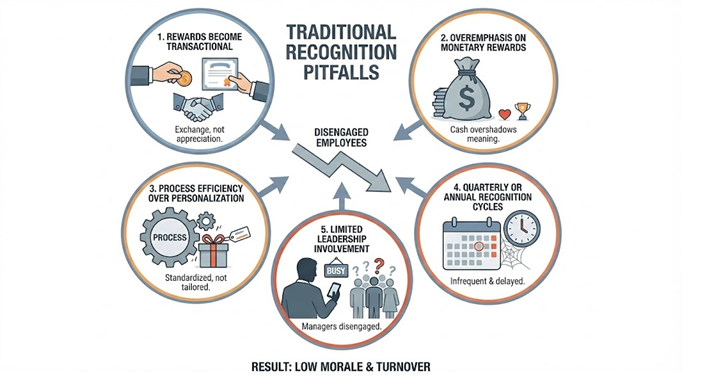

When recognition is tied only to measurable outcomes that directly impact revenue, employees start evaluating effort purely in financial terms.
It discourages:
– Initiative
– Collaboration
– Helping behavior
– Creativity
A transactional system builds compliance. A human system builds culture.

Cash awards and tangible incentives have their place. However, when money becomes the default reward, employees subconsciously assign a market price to their effort.
Over time:
– Motivation becomes conditional
– Discretionary effort declines
– Loyalty weakens
Employees today value experiences and meaningfulness as much as they value financial benefits.

Most organizations design recognition programs for fairness and administrative convenience. While fairness is important, excessive standardization removes individuality.
Employees want to feel:
– Seen and Heard
– Understood
– Appreciated for who they are
Recognition must capture the story behind the achievement.
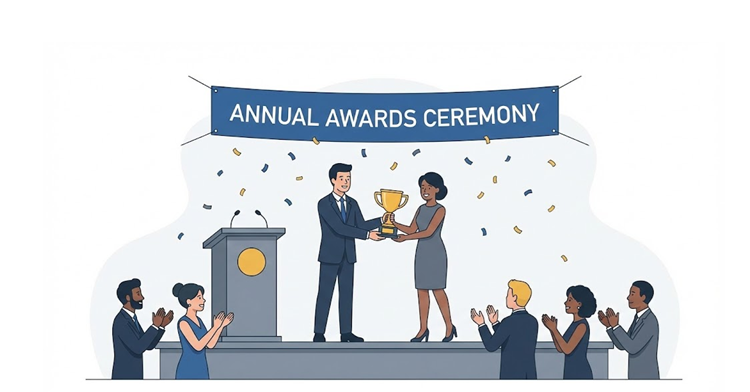
In a digital world where feedback is instant, waiting a quarter or worse, a whole year, for recognition reduces its emotional impact.
Delayed recognition:
– Weakens the memory of the achievement
– Turns celebration into routine
– Feels procedural rather than heartfelt
Timely recognition reinforces positive behavior immediately.

Employees want to know that leaders truly understand their contribution.
When recognition lacks visible leadership engagement, it feels delegated rather than meaningful.
Authentic leadership participation strengthens trust and a sense of belonging.
To close the gap between reward and emotional impact, organizations must rethink their approach.
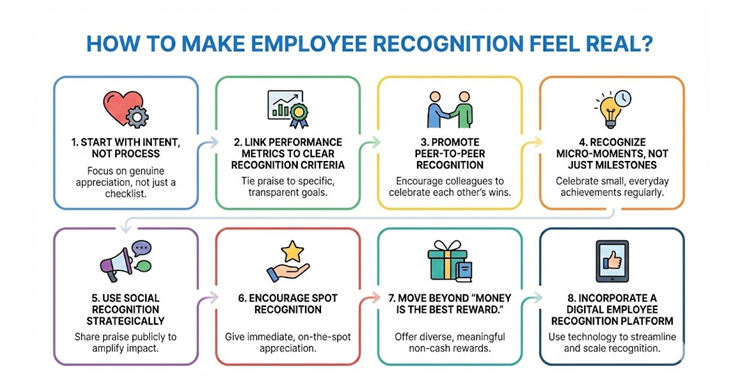
Employees can sense whether recognition is procedural or sincere.
A small, thoughtful recognition moment often has more impact than an expensive, generic reward.
Intent drives authenticity. Authenticity drives engagement.
Transparency reduces perceptions of favoritism or bias.
When recognition criteria align with measurable performance indicators:
– Trust increases
– Fairness improves
– Engagement strengthens
Employees are more motivated when they understand how recognition decisions happen.
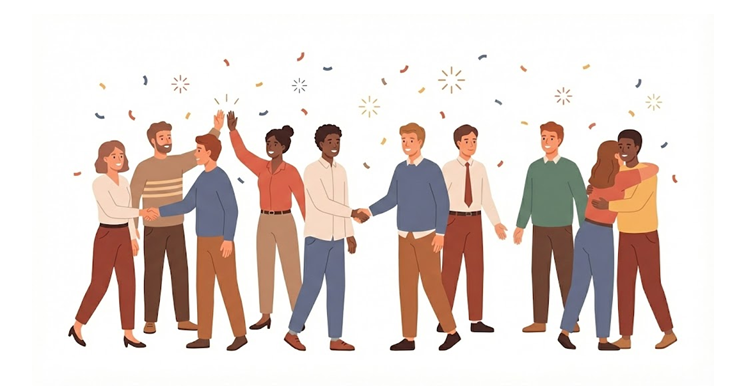
Recognition from colleagues feels deeply validating.
Peer-to-peer recognition programs:
– Encourage collaboration
– Reduce managerial bottlenecks
– Build community
– Improve visibility of everyday contributions
Often, peers notice effort before managers do.

Major achievements matter. But everyday behaviors build culture.
Recognizing small actions such as:
– Helping a teammate
– Showing punctuality
– Demonstrating resilience
– Taking initiative
It sends a powerful message that every effort counts.
Continuous recognition drives continuous performance.
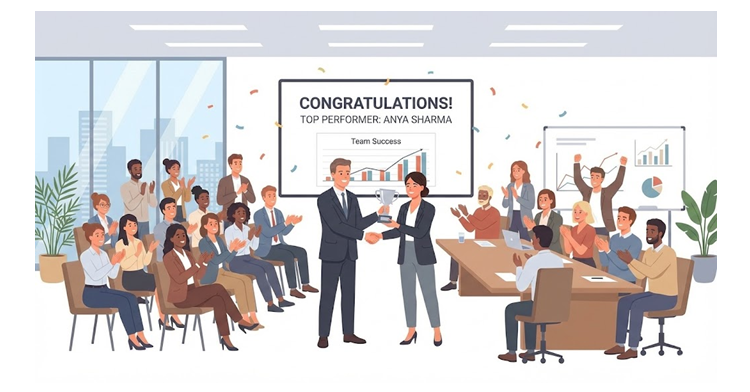
Public appreciation enhances pride and self-worth.
Highlighting employees:
– On internal platforms
– In newsletters
– On company social channels
It amplifies emotional impact and builds positive employer branding.

Organizations should empower their managers to appreciate employees immediately.
A simple spot recognition in the moment can:
– Reinforce positive behavior
– Boost morale instantly
– Strengthen manager-employee relationships
Recognition delayed often loses emotional power.

Experiences create memories.
Examples of impactful rewards:
– Sponsored family experiences
– Learning opportunities
– Personalized gifts
– Experience-based rewards
Memories last longer than cash awards.
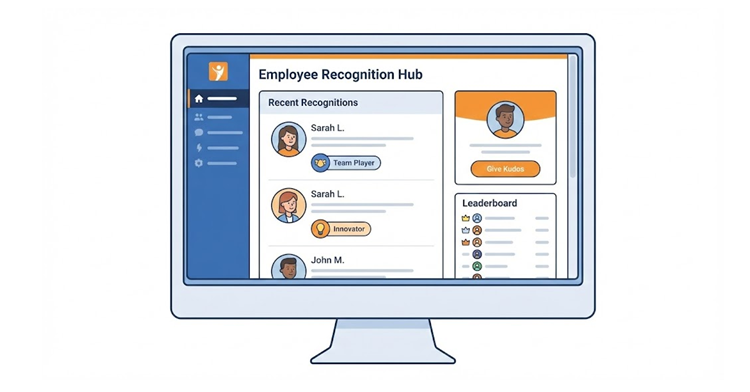
Digital recognition platforms bring structure, transparency, and scalability to recognition programs.
A well-designed employee rewards and recognition platform, such as HiFives, can:
– Enable real-time recognition
– Support peer-to-peer appreciation
– Maintain audit trails for fairness
– Integrate with existing HR systems and collaboration tools
– Provide data-driven insights
– Reduce administrative burden
Technology should not replace the human touch. It should amplify it.

At its heart, employee recognition is about making people feel seen.
When organizations remove emotion from recognition, it becomes mechanical. When they restore humanity, recognition transforms into a powerful cultural driver.
Employees who feel genuinely valued:
– Take ownership
– Show discretionary effort
– Stay longer
– Advocate for the organization
– Contribute beyond defined roles
Recognition that feels real converts employees from task performers into culture builders.

Most programs fail because they are transactional, delayed, overly standardized, or lack emotional personalization. Recognition must connect emotionally, not just administratively.
No. While monetary rewards are important, employees increasingly value meaningful experiences, visibility, growth opportunities, and personalized appreciation.
Recognition should be continuous. Micro-moments of appreciation throughout the year work better than relying solely on annual award events.
Peer-to-peer recognition allows employees to appreciate each other directly. It improves collaboration, increases visibility of everyday contributions, and strengthens workplace culture.
Digital recognition platforms enable real-time appreciation, improve transparency, integrate with workplace tools, reduce bias, and provide analytics to measure engagement impact.
Recognition feels genuine when it is:
– Timely
– Personalized
– Specific
– Emotionally expressive
– Supported by visible leadership involvement
Employee rewards and recognition programs are not meant to be ceremonial rituals. They need to create a connection.
When recognition lacks intent, personalization, and emotion, it becomes an illusion. When it becomes human-centered, timely, and authentic, it transforms culture.
Organizations that prioritize meaningful recognition do not just reward performance. They build belonging. And belonging drives sustainable success.

Lead author: Sagar Chaudhuri, the Co-Founder and CEO of HiFives. He is an HR Tech Evangelist with over 25 years of experience in both corporate and entrepreneurial settings. Previously, Sagar has held leadership roles with companies such as Genpact, Infosys, and ICICI Bank. He has an engineering degree from IIT Kharagpur and an MBA from IIM Lucknow. Connect on LinkedIn
To stay updated on the latest HiFives blogs, follow us on Twitter (@MyHiFives)