


A recent HiFives study of HR practitioners revealed some powerful insights about employee rewards and recognition and their impact on engagement.
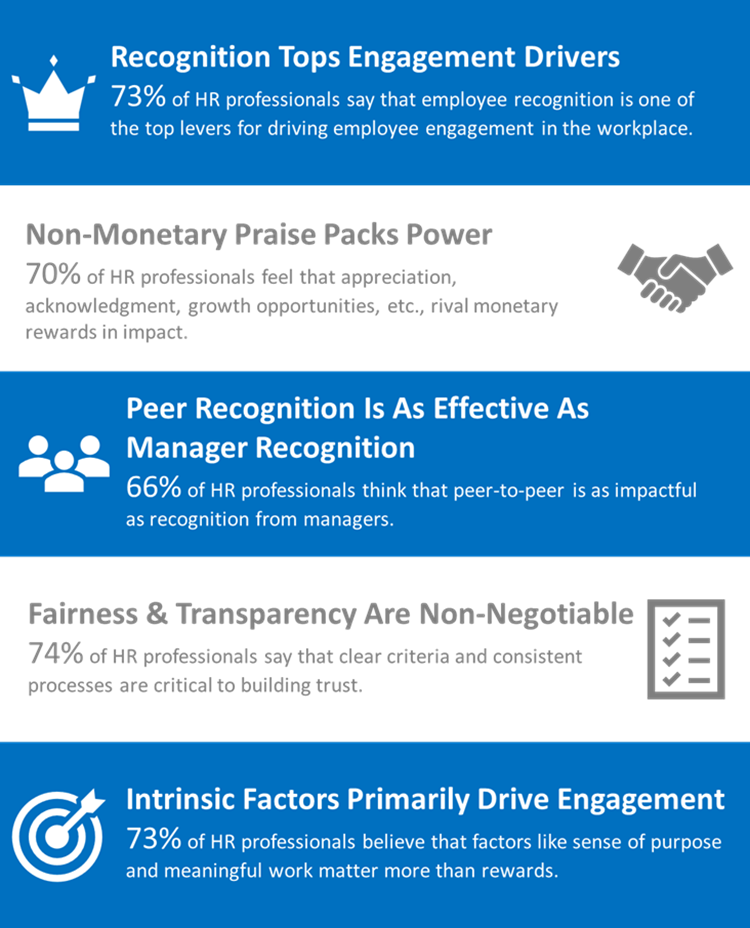
1. Recognition tops engagement drivers: Nearly 73% of HR professionals rank employee recognition as one of the most effective ways to boost engagement.
2. Non-monetary praise packs power: 70% of HR professionals think that a heartfelt thank-you or public shout-out can be just as motivating as a cash reward or gift card.
3. Peers can praise as well as bosses: 66% of HR professionals think that peer-to-peer recognition is equally powerful as manager-led recognition – if not more so.
4. Fairness and transparency are non‑negotiable: 74% of HR professionals believe that a recognition program must be seen as fair and transparent.
5. Purpose beats prize: 73% of HR professionals feel that intrinsic motivators – such as a sense of purpose, a strong culture, and meaningful work – matter more than extrinsic rewards.
Employee rewards and recognition have moved from being “nice-to-have” initiatives to becoming core levers of engagement, culture, and performance. To understand how HR leaders truly view recognition today, HiFives conducted a comprehensive study with 250+ HR practitioners across industries, organization sizes, and seniority levels.
The findings reveal a clear message:
Recognition is no longer just about incentives or annual awards. It is deeply tied to belonging, fairness, leadership behaviour, and everyday workplace experiences.
This study reveals how rewards and recognition shape employee engagement and what HR leaders can do to make recognition programs more meaningful, inclusive, and effective.

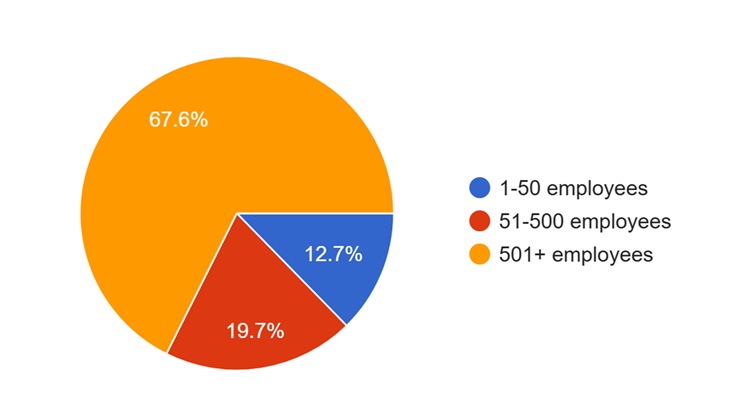
HR Practitioners from mid to large organizations.
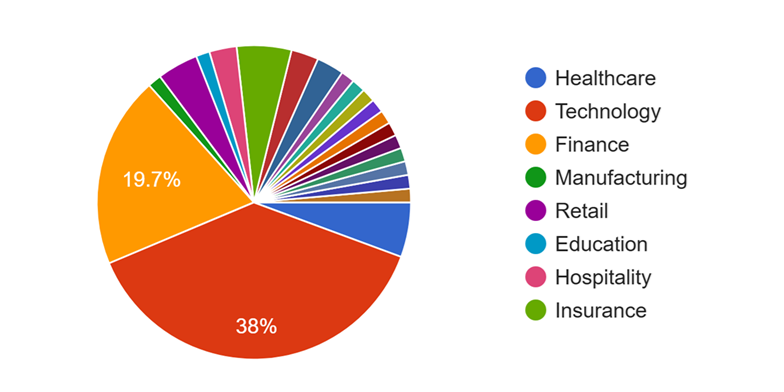
Good representation from healthcare, IT, financial services, retail, and manufacturing.
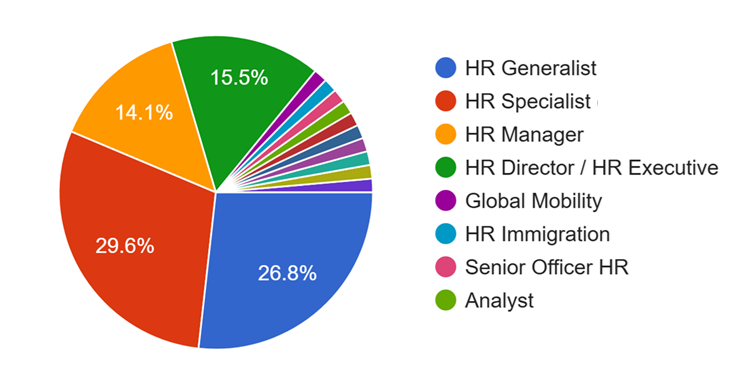
A good mix of HR generalist and specialist roles.
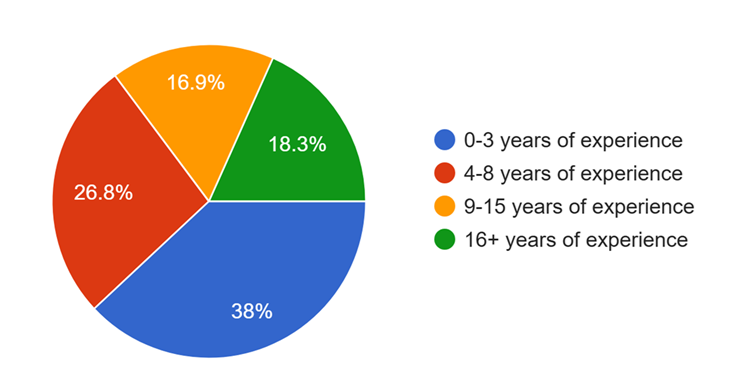
A diverse experience profile of junior, mid-level, and senior HR practitioners.
Here are the detailed insights:
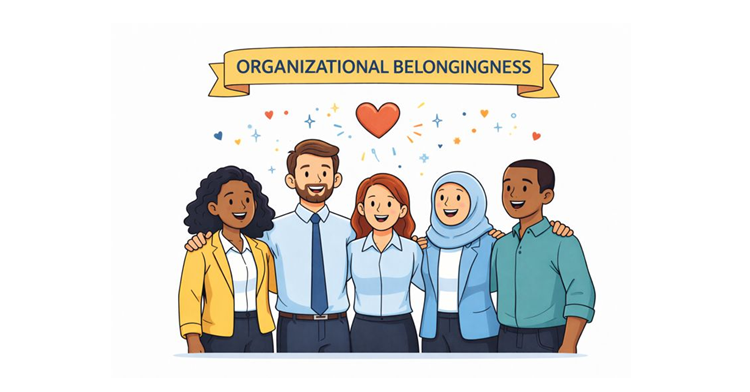
One of the strongest signals from the study is how professionals define engagement through recognition. A majority of respondents associate engagement with a sense of belonging and connection rather than pure productivity. It has direct implications for recognition strategies.

Recognition that rewards outcomes or targets can feel transactional. In contrast, recognition that highlights effort, values, collaboration, and impact strengthens emotional connection. Employees who feel seen and appreciated are more likely to be loyal to the organization and committed to its goals.
For HR leaders, this reinforces a crucial shift: recognition should not only celebrate results but also reinforce culture. Celebrating behaviors that align with organizational values helps employees feel that they belong and that their contributions matter beyond numbers.
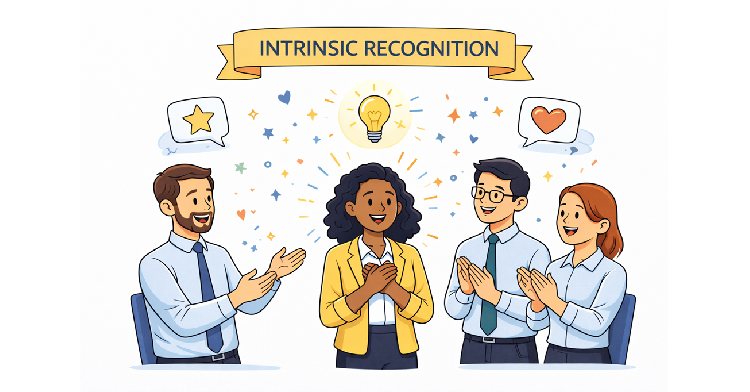
The study highlights a strong preference among HR practitioners for intrinsic drivers of engagement. While compensation and tangible rewards remain important, most respondents believe engagement is primarily driven by intrinsic factors such as purpose, appreciation, and meaningful acknowledgment.

This insight reshapes how rewards and recognition programs should be designed. Monetary rewards alone may deliver short-term motivation, but they rarely create lasting engagement. Recognition that makes employees feel proud, valued, and connected to a larger purpose has a much more profound and longer-lasting impact.
Effective recognition programs, therefore, balance extrinsic rewards with intrinsic appreciation. Public praise, thoughtful messages, leadership acknowledgment, and growth opportunities often resonate more deeply than cash or vouchers alone.
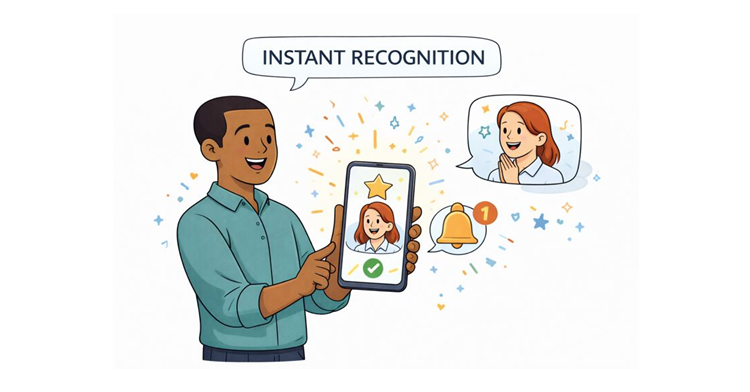
HR practitioners overwhelmingly support regular feedback and recognition over infrequent annual acknowledgments. Employees want to know that their efforts are noticed in real time, not months later during appraisal cycles.

Recognition loses its power when it is delayed, generic, or rare. When delivered frequently and sincerely, it reinforces positive behaviors and keeps motivation high. However, the study also signified the importance of quality over quantity. Recognition should feel authentic and specific, not mechanical or forced.
For organizations, this means moving away from once-a-year awards toward continuous recognition models. Digital recognition platforms that make it easy for managers and peers to recognize everyday wins play a critical role in sustaining momentum.

One of the most decisive findings from the study is that recognition is top-down, mainly. HR practitioners believe engagement through recognition is driven primarily by leaders and managers, not left to chance or employee initiative alone.

Managers influence how recognition is perceived and practiced on the ground. When managers consistently appreciate effort, celebrate achievements, and acknowledge contributions, employees feel motivated and supported. When recognition is absent or inconsistent, engagement quickly erodes.
It places a clear responsibility on HR leaders to enable managers. Recognition should be built into manager expectations, training, and performance metrics. Leaders must also visibly participate in recognition initiatives to signal that appreciation is an organizational priority, not an HR formality.
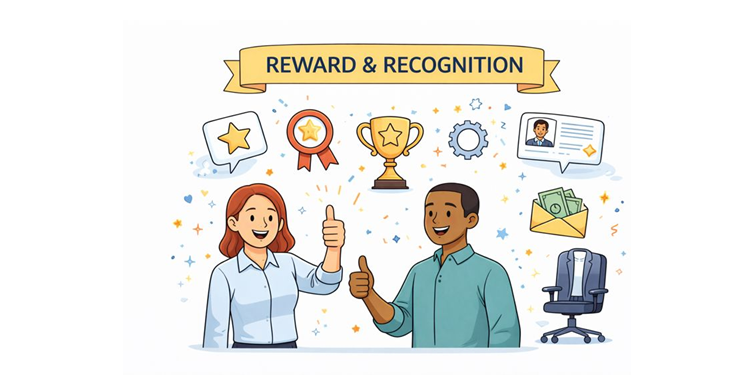
Among all engagement initiatives, rewards and recognition emerge as the most powerful. A substantial majority of HR practitioners agree that recognition programs have the most tremendous impact on morale, motivation, and engagement.

This endorsement reflects what employees experience daily. Recognition satisfies a fundamental human need – the need to feel valued. It reinforces desired behaviors, strengthens relationships, and creates positive emotional moments at work.
For organizations evaluating where to invest, the message is clear. A well-designed recognition program delivers disproportionate returns compared to many other engagement initiatives. Even simple, low-cost recognition practices can significantly uplift workplace sentiment when done consistently.
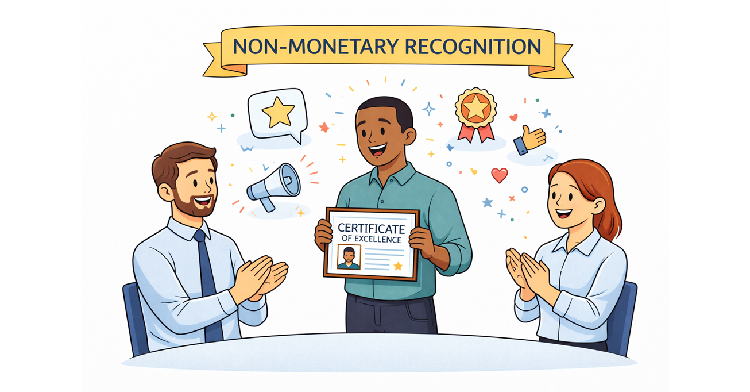
A key insight from the study is the firm’s belief in non-monetary recognition. Most HR practitioners agree that praise, acknowledgment, and growth opportunities can be just as motivating as financial rewards.

Non-monetary recognition often feels more personal and meaningful. A sincere thank-you, a public shout-out, or a message from senior leadership can leave a lasting impression. Unlike monetary rewards, these forms of recognition are easy to give, frequent, and inclusive.
For HR teams, this reinforces the need to expand recognition beyond budgets. Training managers to give specific, heartfelt praise and using digital platforms for visible appreciation can dramatically strengthen engagement without high cost.

The study confirms that recognition is no longer the sole responsibility of managers. A large majority of HR practitioners view peer-to-peer recognition as equally impactful.

Peer recognition feels authentic because colleagues witness each other’s efforts firsthand. It also democratizes appreciation, ensuring that good work does not depend entirely on managerial visibility. When employees recognize each other, appreciation becomes embedded in everyday culture.
Organizations that enable peer recognition create a shared sense of ownership over culture. HR leaders can support this by providing simple digital platforms for employees to acknowledge peers and celebrate peer-driven recognition stories.

While recognition is robust, the study also highlights how easily it can backfire if perceived as unfair. A substantial majority of HR practitioners agree that favoritism significantly undermines the effectiveness of rewards and recognition.

When the same individuals are repeatedly recognized or when the criteria are unclear, employees become disengaged and cynical. Recognition must feel earned, transparent, and inclusive to maintain trust.
The study also cautions against over-emphasizing individual rewards at the expense of teamwork. Recognition systems should balance individual achievements with team-based acknowledgment and encourage collaboration rather than unhealthy competition.

For HR leaders, this means designing recognition frameworks with clear criteria, diverse recognition sources, and a mix of individual and team awards.
The HiFives HR Practitioner Study reinforces one central truth:
Employee rewards and recognition are not peripheral initiatives. They are foundational to engagement, culture, and performance.
Key action points for HR leaders include:
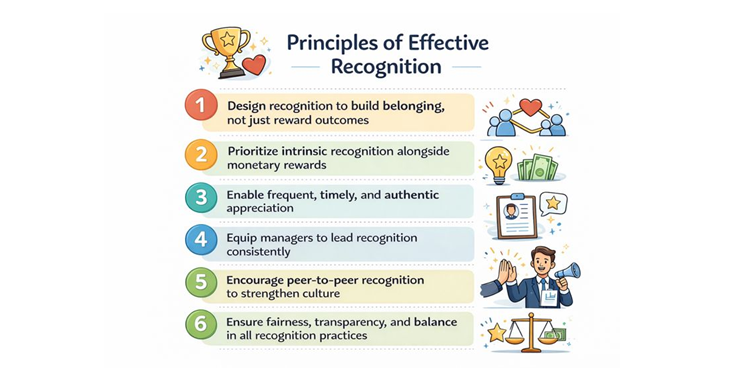
1. Design recognition to build belonging, not just reward outcomes
2. Prioritize intrinsic recognition alongside monetary rewards
3. Enable frequent, timely, and authentic appreciation
4. Equip managers to lead recognition consistently
5. Encourage peer-to-peer recognition to strengthen culture
6. Ensure fairness, transparency, and balance in all recognition practices
When recognition is human, inclusive, and embedded into daily work, it becomes a powerful force multiplier. Employees who feel genuinely appreciated do not just perform better – they stay longer, collaborate more, and advocate for the organization.
In a competitive talent landscape, organizations that get recognition right will always stand apart.

Lead author: Sagar Chaudhuri, the Co-Founder and CEO of HiFives. He is an HR Tech Evangelist with over 25 years of experience in both corporate and entrepreneurial settings. Previously, Sagar has held leadership roles with companies such as Genpact, Infosys, and ICICI Bank. He has an engineering degree from IIT Kharagpur and an MBA from IIM Lucknow. Connect on LinkedIn