


How to build an efficient and effective reward system with a low budget
1. Successful Programs Don’t Need Hefty Budgets: It is possible to have effective employee rewards programs without high costs by focusing on proper design, timely recognition, and efficient implementation.
2. Utilize Non-Monetary Awards: Organizations can offer meaningful rewards like e-certificates, time-offs, and special assignments, combined with low-cost monetary options like gift vouchers.
3. Leverage Technology: Investing in configurable employee recognition platforms helps streamline processes, enabling timely recognition and sharing of achievements while minimizing costs.
Want a rewards program your employees actually love?
See how leading companies use HiFives to boost engagement, retention and productivity.
Book a Free DemoChat on WhatsApp4. Encourage Peer Recognition: Peer-to-peer recognition fosters a positive work culture and motivation without significant financial investment.
Despite the growing significance of employee rewards and recognition, many organizations still believe that a reasonable employee rewards program requires a high budget that they cannot afford. Hence, this brings us to the question –‘Do successful employee rewards programs need hefty budgets?

The answer to the above question is a clear NO.
The proper design and implementation of the rewards program ensures its success.
Organizations must stop overspending on their employee rewards programs to ensure proper design and implementation.
A properly designed and implemented program ensures that employees receive timely rewards and recognition for their excellent work.

Even a timely and straightforward “Thank You” can often prove more effective than giving them expensive rewards months later.
Similarly, organizations working on tight budgets need not invest in expensive rewards for their top-performing employees.
Instead, they can send e-cards or appreciation emails promptly thanking them for their efforts and contributions.

The organization must establish an efficient, effective employee rewards program while considering budget constraints.
The focus should be on enabling timely recognition with minimal effort.
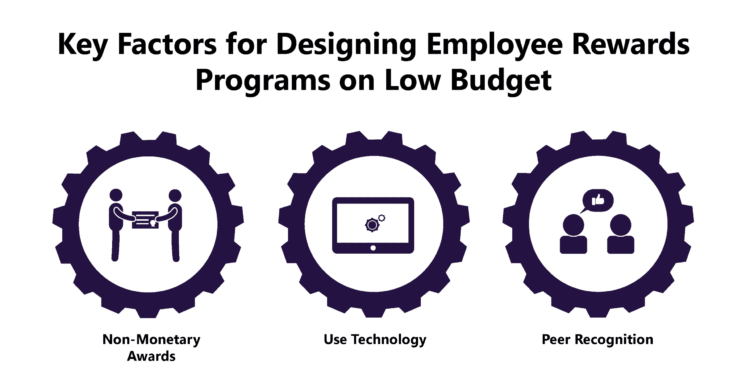
The following are key factors that organizations should keep in mind while designing and implementing employee rewards programs:
1. Non-monetary Awards
2. Use Technology
3. Peer Recognition
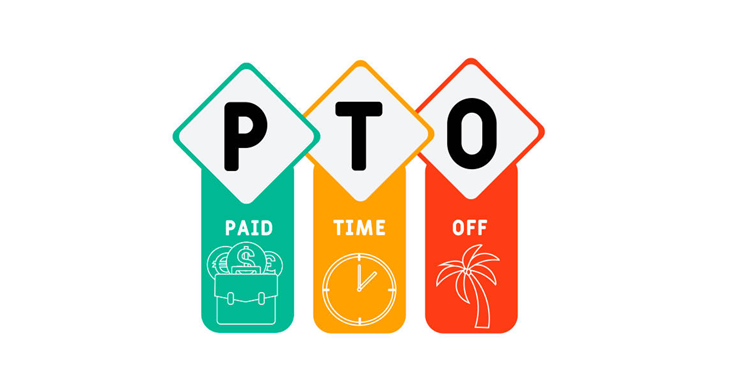
Organizations can consider meaningful non-monetary awards such as e-certificates, time-offs, paid leaves, training programs, top-management interaction, special assignments, etc.
These can work in tandem with inexpensive monetary rewards, such as gift vouchers or experiences, tailored to the budget.

Technology can significantly streamline employee rewards programs.
Organizations should invest in configurable employee rewards and recognition platforms that meet their specific needs.
The recognition software platform should make it easy and simple for employees to receive rewards promptly.
The platform should also ensure the immediate sharing of employee achievements across internal and external social media channels.
Such platforms typically work on pay-per-use or per-seat pricing, making them affordable for organizations with tight budgets.
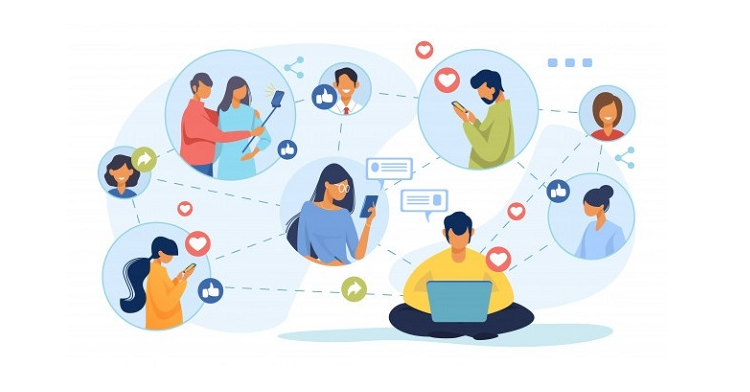
Organizations need to promote peer-to-peer recognition among their workforce.
Hence, they should encourage coworkers to appreciate and recognize each other’s achievements and contributions informally.
This strategy can help create a positive work culture based on mutual appreciation and motivation.
It does not require hefty investments in monetary awards.
Organizations need to understand that successful employee reward programs do not need hefty budgets; what is required is an efficient and effective reward system that ensures that employees are rewarded in a meaningful way for their good performance without any delay.

Lead author: Sagar Chaudhuri, the Co-Founder and CEO of HiFives. He is an HR Tech Evangelist with over 25 years of corporate and entrepreneurship experience. In the past, Sagar has held leadership roles at companies such as Genpact, Infosys, and ICICI Bank. He has an engineering degree from IIT Kharagpur and an MBA from IIM Lucknow. Connect on LinkedIn
To stay updated on the latest HiFives blogs, follow us on Twitter (@MyHiFives)
Ready to transform employee recognition at your company?
See how leading companies use HiFives to boost engagement, retention and productivity.
Book a Free DemoChat on WhatsApp